Gaia FGK Benchmark Stars
Calibrating and validating stellar parameters of FGK-type stars
The project
Providing essential data on FGK benchmark stars for accurate spectroscopic calibration.
In brief
A sample of a large variety of stellar spectra allows to perform a wide range of analyses and provide useful tools and data for the community
Tools and material




For the public
Our Team
We are a small and international team which openly collaborates with scientists of various expertise to achieve our goals
Our project provides material for public engagement
On-going projects
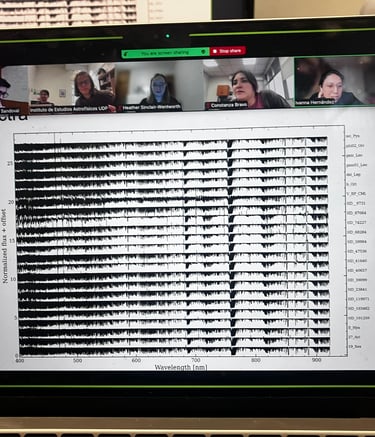
Metal-poor stars
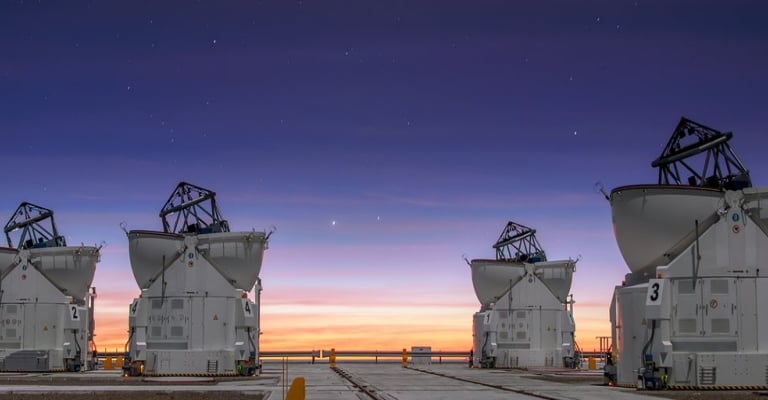
Optical vs Infrared spectra
New angular diameters
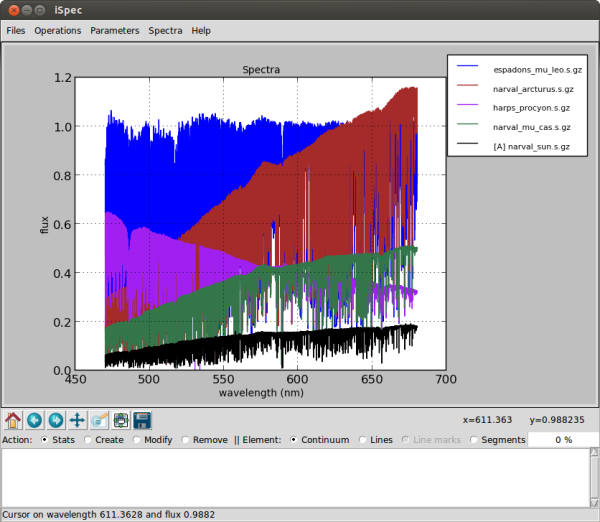
New tools for iSpec
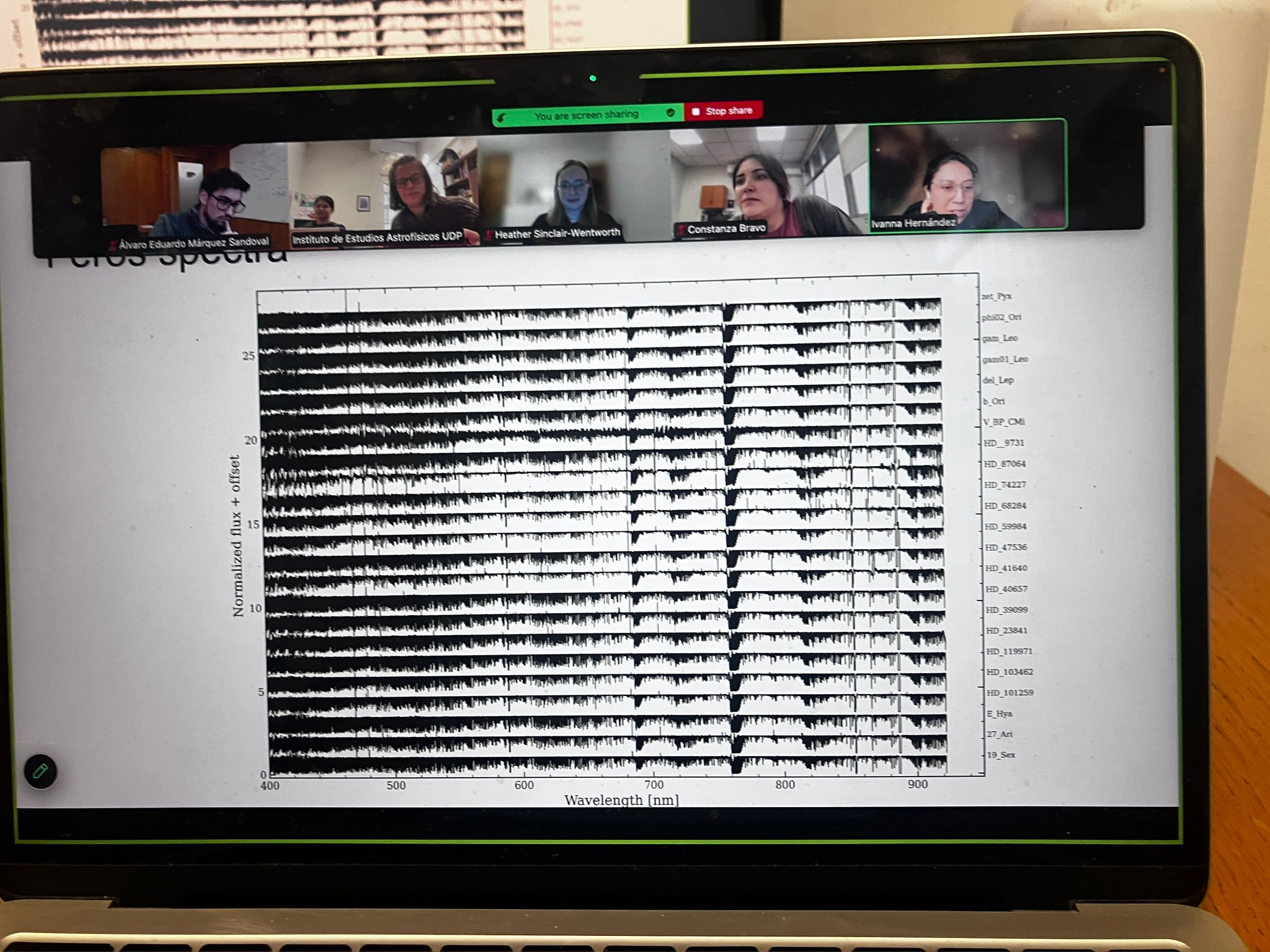
Assembling the GBS from published angular diameter catalogues has the limitation that only few metal-poor stars with precise measurements are available. To address this problem, we have collected our own interferometric observations with PIONIER and high resolution spectra from FEROS for about 30 metal-poor stars The parameter determination is still on-going.
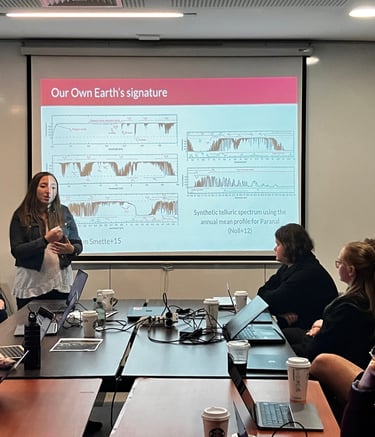
In order to understand better the differences in parameters and chemical abundances between optical and infrared spectroscopy seen when comparing common stars between e.g. GALAH/Gaia-ESO and APOGEE, we have observed most of the GBSv3 southern stars with CRIRES+. Telluric removal of these spectra has been proven tricky, so a subset of 35 stars - the miniCRILIB - is currently under analysis.
Preparing GBSv4 has motivated us to learn the skill of interferometry and so determine our own angular diameters homogeneously. We have a few observing runs both in PIONIER and CHARA/SPICA for this longer term purpose.
Our main spectroscopic pipeline needs to be in constant development. Currently we are incorporating and testing the new radiative transfer codes under non-LTE that are available.
Gallery
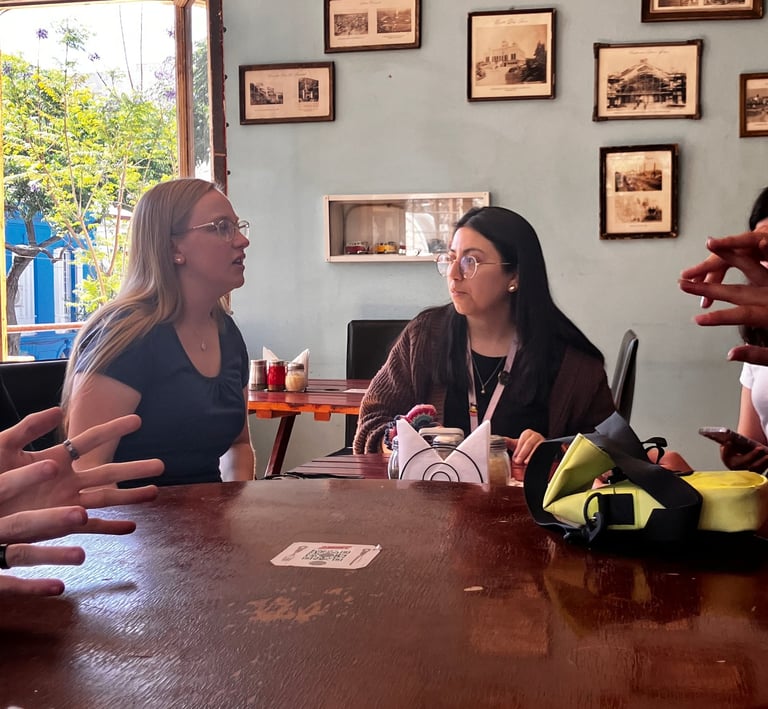
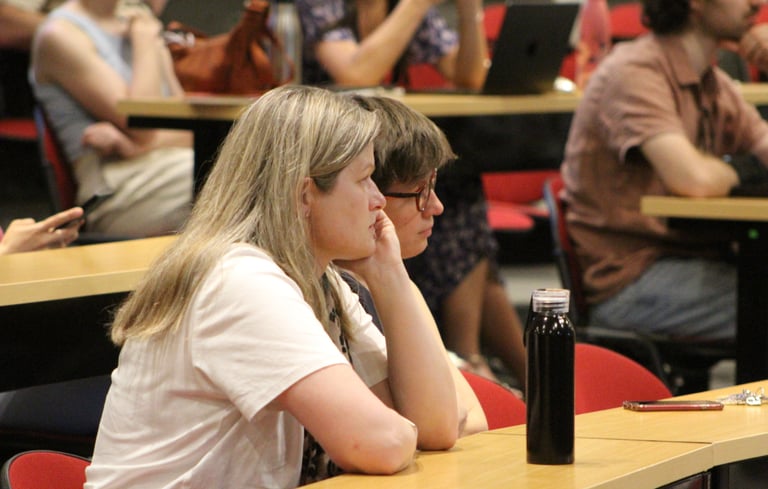
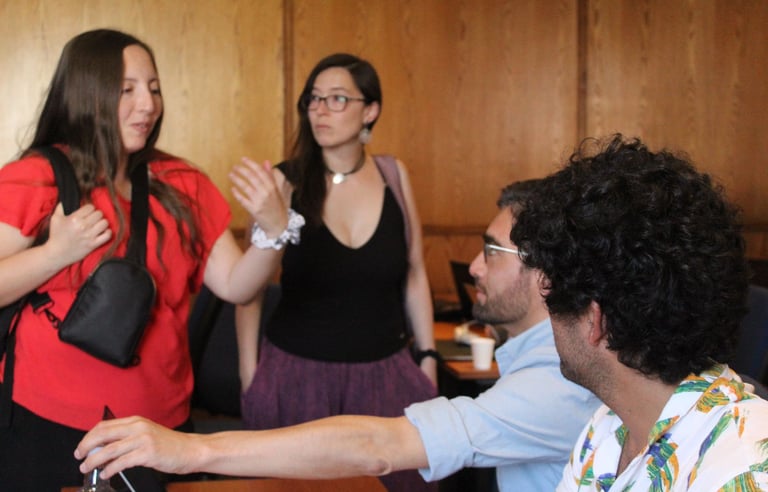
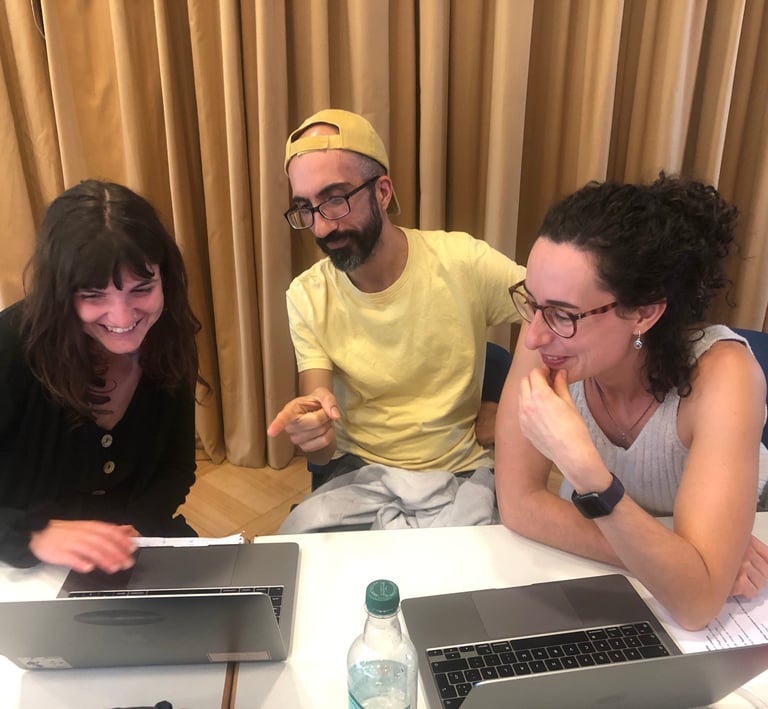
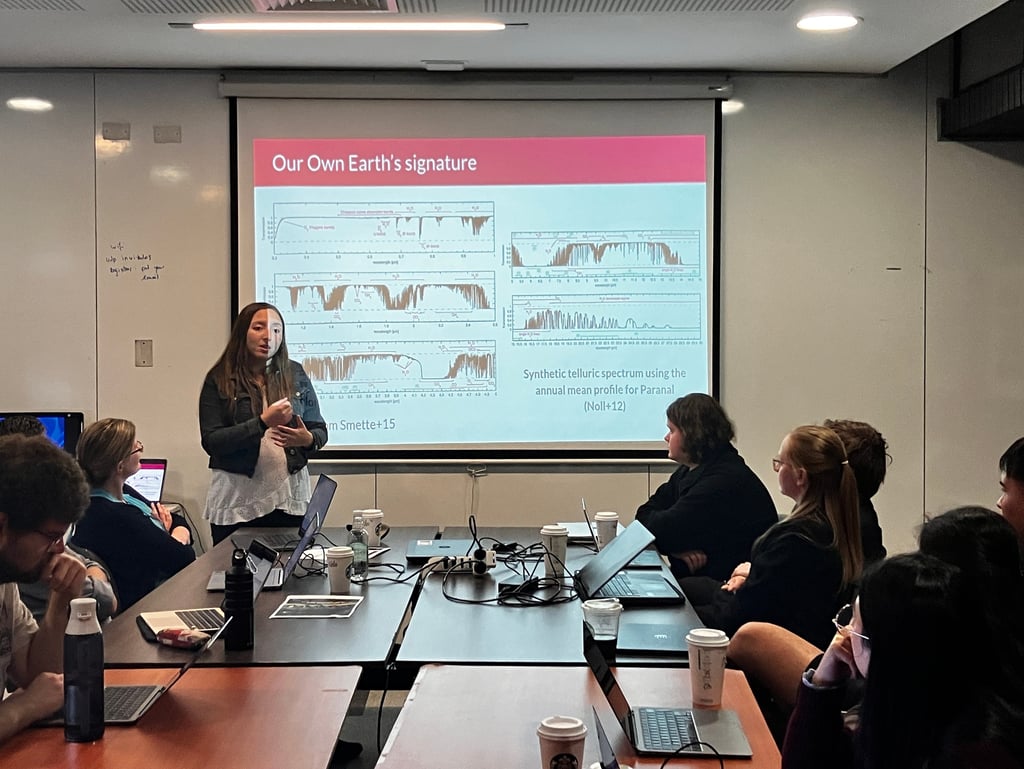
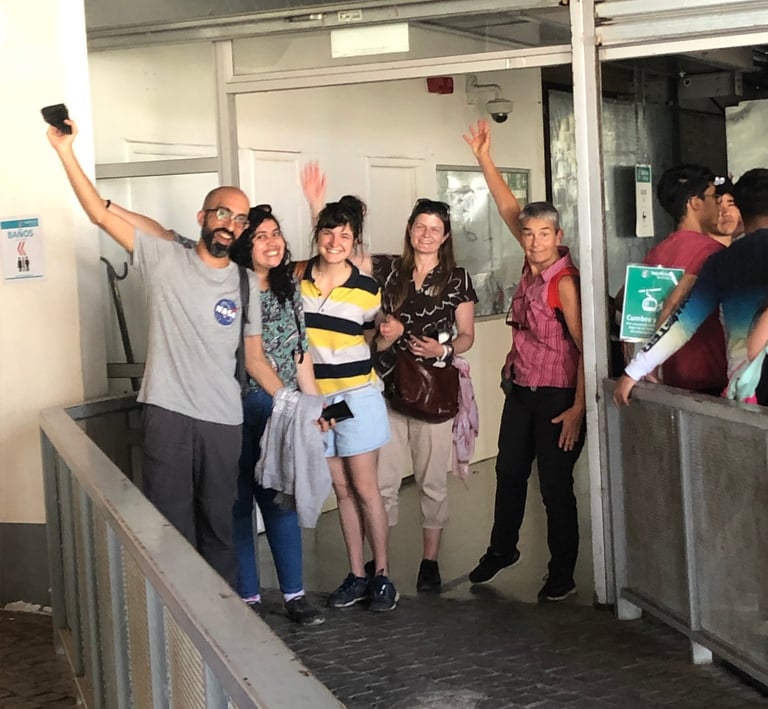
Mingling while working